
Mastering the Art of Sports Broadcasting: Key Insights and Techniques
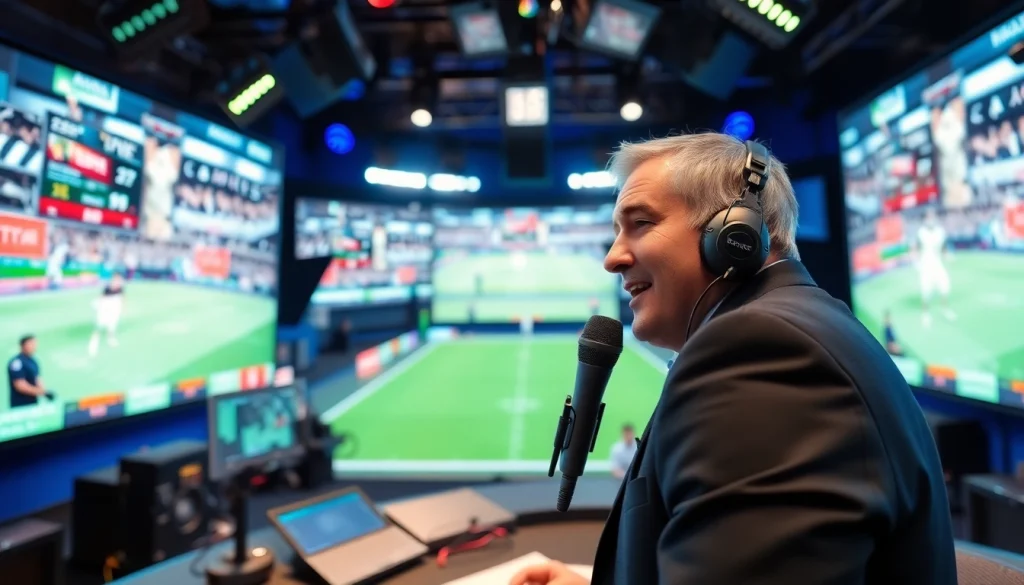
Understanding the Basics of Sports Broadcasting
What is Sports Broadcasting?
Sports broadcasting refers to the live or recorded transmission of sports events through various media channels, including television, radio, and the internet. It provides viewers with an avenue to follow their favorite teams and athletes, enhancing their engagement and experience. The significance of Sports Broadcasting cannot be overstated, as it has become a critical aspect of sporting culture globally, making sports more accessible than ever.
The Evolution of Sports Broadcasting
The history of sports broadcasting traces back to the early 20th century, beginning with radio broadcasts in the 1920s. Over the decades, advancements in technology have transformed how sports are disseminated to the public. The introduction of television in the mid-20th century revolutionized sports coverage, bringing live games into homes across the world. Today, digital platforms and streaming services have further broadened access, offering on-demand content that caters to diverse audiences. The evolution has seen a shift from simple play-by-plays to multi-camera coverage, interactive features, and advanced analytics.
Essential Terminology in Sports Broadcasting
To navigate the world of sports broadcasting, it’s crucial to understand some key terminology:
- Play-by-Play: Real-time commentary on the game as it unfolds.
- Color Commentary: Analysis and insights provided by experts supplementing play-by-play coverage.
- Graphics Package: Visual elements displayed during broadcasts, such as player stats and game scores.
- Live Streaming: The transmission of real-time events over the internet.
- Engagement Metrics: Data points that measure audience interaction with broadcasts, such as views, shares, and comments.
Key Skills Required for Sports Broadcasting
Communication Skills in Sports Broadcasting
Effective communication is paramount in sports broadcasting. Broadcasters must convey excitement, maintain clarity, and engage audiences. Skills include verbal fluency, the ability to articulate thoughts quickly, and understanding the nuances of audience engagement. Excellent interpersonal skills are also essential for interacting with players, coaches, and analysts to gather insights that enhance storytelling.
Technical Proficiency in Broadcasting Tools
Sports broadcasters must be adept at using various technical tools, from microphones and cameras to editing software. Understanding broadcasting technology, including how to operate streaming setups, is vital. Tutorials and hands-on training sessions help aspiring broadcasters build their technical competence, ensuring they can adapt to different broadcasting environments.
Storytelling Techniques for Engaging Audiences
Storytelling is at the heart of enticing sports broadcasting. Broadcasters should construct narratives that highlight team rivalries, player journeys, and historical context, resonating emotionally with viewers. Techniques include utilizing personal anecdotes, highlighting key player statistics, and creating arcs that keep audiences invested throughout the event.
The Role of Technology in Sports Broadcasting
Current Innovations in Sports Broadcasting Technology
Recent innovations in sports broadcasting technology have allowed for more immersive experiences. Virtual and augmented reality are transforming how fans engage with content, allowing them to experience games from unique perspectives. Enhanced analytics provide real-time statistics that enrich commentary and viewer understanding, while drone technology offers aerial views that were previously unattainable.
Impact of Streaming Services on Sports Broadcasting
The rise of streaming services has disrupted traditional broadcasting models. Platforms offering subscription-based access to live sports have flourished, giving viewers greater choice and flexibility. They have also paved the way for niche sports to find their audience. This shift has forced conventional broadcasters to adapt, leading to partnerships between streaming platforms and sports leagues for synergy and shared viewership metrics.
Future Trends in Sports Broadcasting Technology
Looking ahead, the sports broadcasting industry is likely to embrace even more sophisticated technologies. Artificial intelligence may play a role in tailoring content to individual viewers, while machine learning algorithms could enhance data analytics for broadcasters. Furthermore, the integration of 5G technology stands to revolutionize live broadcasting by reducing lag time and enhancing stream quality, making it an exciting era for sports enthusiasts.
Challenges in the Sports Broadcasting Industry
Adapting to Changing Audience Preferences
Understanding and adapting to changing audience preferences pose constant challenges for sports broadcasters. Younger audiences, in particular, tend to favor shorter highlights and interactive content over lengthy commentary. To stay relevant, broadcasters must innovate and diversify their offerings, leveraging social media and live interactions to cater to viewer expectations.
Maintaining Compliance with Broadcasting Regulations
Compliance with broadcasting regulations is critical to avoid liabilities. Broadcasters need to stay abreast of legal changes, content rights, and regulations governing image and sound use. Establishing solid relationships with regulatory bodies and regularly consulting legal advisors can help navigate these complexities effectively.
Managing Live Event Coverage Challenges
Live event coverage comes with inherent unpredictability, including technical failures, weather disruptions, and unexpected game incidents. Developing contingency plans for various scenarios, conducting rigorous testing before broadcasts, and training staff on crisis management are essential strategies for dealing with these challenges.
Measuring Success in Sports Broadcasting
Key Performance Indicators for Sports Broadcasting
To evaluate success in sports broadcasting, several key performance indicators (KPIs) come into play. Metrics include viewer ratings, audience retention rates, digital engagement statistics (likes, shares, comments), and revenue generated from advertisements. Tracking these KPIs over time can help broadcasters gain insights into what resonates most with audiences.
Audience Engagement Strategies
Effective audience engagement strategies can significantly enhance viewership. Utilizing social media platforms to create interactive content, holding live Q&A sessions with players or analysts, and employing gamification techniques during broadcasts can motivate audience interaction, ultimately resulting in a loyal viewer base.
Feedback Mechanisms to Improve Broadcasting Quality
Incorporating feedback mechanisms is crucial for continuous improvement in sports broadcasting. Surveys, viewer comments on social media, and audience analytics can provide useful insights into viewer preferences and experiences. Regularly assessing this feedback and making data-driven adjustments can enhance overall broadcast quality.
FAQs about Sports Broadcasting
1. What is the primary function of sports broadcasting?
The primary function is to deliver live or recorded sports events to audiences, enhancing their viewing experience through commentary, analysis, and graphics.
2. How has technology influenced sports broadcasting?
Technology has transformed sports broadcasting by introducing innovations like streaming services, augmented reality, and enhanced analytics, making sports more accessible and engaging.
3. What skills are important for a sports broadcaster?
Key skills include effective communication, technical proficiency with broadcasting equipment, and strong storytelling abilities to engage audiences.
4. How do broadcasters measure success?
Success is measured using key performance indicators like viewer ratings, audience retention rates, digital engagement metrics, and advertising revenue.
5. What are common challenges in sports broadcasting?
Challenges include adapting to changing audience preferences, ensuring compliance with regulations, and managing the unpredictability of live event coverage.