

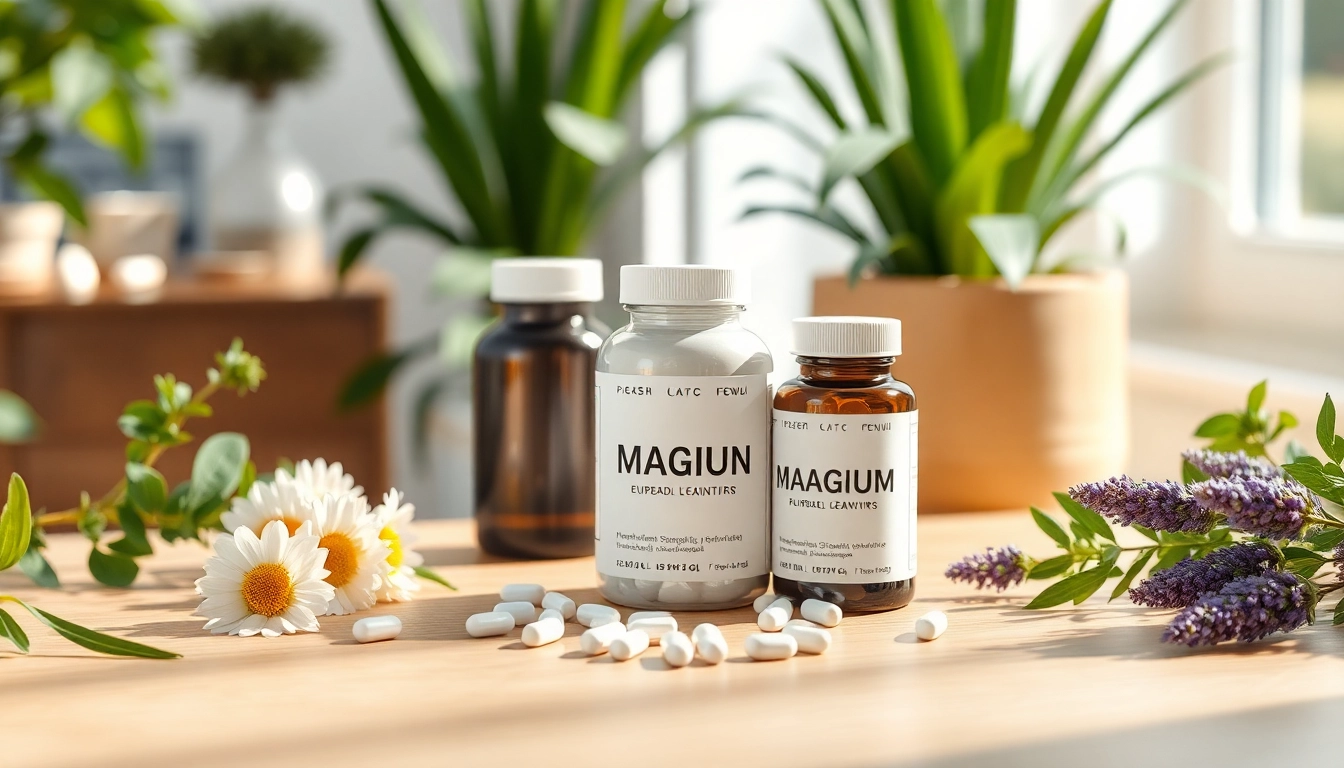
Understanding Anxiety and the Role of Magnesium
What is Anxiety?
Anxiety is a complex emotional response characterized by feelings of worry, fear, and apprehension. It can manifest in various forms, including generalized anxiety disorder (GAD), panic attacks, and social anxiety. This condition affects millions of people worldwide, often interfering with daily activities, relationships, and overall quality of life. Recognizing anxiety’s symptoms, which can include persistent nervousness, restlessness, and physical symptoms like increased heart rate, is crucial for seeking appropriate treatment.
The Importance of Magnesium in Mental Health
Magnesium is one of the essential minerals required for numerous biochemical processes in the body, including nerve function, muscle contraction, and the regulation of neurotransmitters. It also plays a pivotal role in mental health, with studies suggesting that adequate magnesium levels contribute to emotional stability and cognitive function. Deficiency in magnesium has been associated with various mental health disorders, including anxiety and depression, highlighting its importance in maintaining psychological well-being.
How Magnesium Affects Anxiety Levels
Research indicates that magnesium can help modulate the body’s stress response and promote relaxation. It works by influencing neurochemical pathways, including the regulation of serotonin, commonly known as the “feel-good” hormone. Low levels of magnesium can impair the body’s ability to manage stress adequately, leading to heightened anxiety. By restoring optimal magnesium levels, individuals may experience reduced anxiety symptoms and improved mental clarity. For more resources on managing anxiety, the Best Magnesium for Anxiety may provide valuable insights.
The Best Magnesium for Anxiety: Types and Benefits
Magnesium Glycinate for Stress Relief
Magnesium glycinate is a highly absorbable form of magnesium known for its calming effects. It features glycine, an amino acid that acts as a neurotransmitter in the central nervous system, promoting relaxation. This combination makes magnesium glycinate particularly beneficial for individuals struggling with anxiety. Research has shown that it can significantly reduce anxiety symptoms and improve sleep quality, effectively addressing two common issues faced by those with anxiety disorders.
Magnesium Citrate: A Natural Calm
Magnesium citrate is another beneficial form often praised for its laxative effect and bioavailability. Its ability to penetrate cell membranes can enhance relaxation and reduce anxiety levels. Studies suggest that magnesium citrate can help regulate cortisol, the body’s primary stress hormone, which plays a key role in anxiety response. For individuals looking for a natural way to calm their nerves, magnesium citrate may offer a dual benefit: promoting digestive health while simultaneously alleviating anxiety symptoms.
Magnesium Threonate for Cognitive Support
Magnesium threonate is a newer form of magnesium supplement, known for its cognitive-enhancing properties. It is unique because it can penetrate the blood-brain barrier more effectively than other magnesium types, providing benefits to brain health. Research suggests that magnesium threonate may improve cognitive function, enhance memory, and reduce anxiety levels, making it a fantastic option for those concerned about the impact of anxiety on their mental acuity and overall cognitive function.
How to Choose the Right Magnesium Supplement
Factors to Consider When Selecting Magnesium
When choosing a magnesium supplement, several factors must be considered to ensure optimal results. First, consider the form of magnesium that best fits your needs. Options include glycinate, citrate, threonate, and others, each with unique benefits. Second, assess your health condition, as certain forms may be more appropriate depending on specific symptoms. Lastly, consider any dietary restrictions or preferences, such as vegan or gluten-free options.
Dosage Recommendations for Effective Results
Determining the right dosage of magnesium is essential for achieving desired results. While the recommended daily allowance varies, most adults require between 310 to 420 mg per day, depending on gender and age. When addressing anxiety, starting with a lower dose and gradually increasing can help assess tolerance and effectiveness. Consulting with a healthcare professional before beginning any supplement regimen is advisable to ensure safety and appropriateness.
Quality Control and Testing in Supplements
Selecting high-quality magnesium supplements is crucial for safety and efficacy. Look for products that have undergone third-party testing, ensuring they meet specified quality standards. Certifications from organizations like NSF International or US Pharmacopeia indicate that the supplement contains what it claims and is free from harmful contaminants. Transparency regarding sourcing, manufacturing processes, and ingredient purity should also be prioritized.
Incorporating Magnesium into Your Daily Routine
Best Time to Take Magnesium for Anxiety Management
Timing can significantly affect the effectiveness of magnesium supplements. For anxiety management, taking magnesium in the evening may be beneficial, as it can promote relaxation and improve sleep quality. Individuals should consider forming a routine by taking supplements at the same time daily to optimize absorption and efficacy. However, some people may find taking magnesium in the morning helps combat daytime anxiety.
Combining Magnesium with Other Relaxation Techniques
Incorporating magnesium into a broader anxiety management plan can enhance its benefits. Complementing magnesium supplementation with relaxation techniques such as deep breathing exercises, yoga, or meditation may provide synergistic effects. These practices can lower cortisol levels and promote emotional well-being, creating a comprehensive approach to managing anxiety effectively.
Foods Rich in Magnesium for Natural Support
Dietary sources of magnesium can significantly contribute to overall magnesium levels and support anxiety management. Foods rich in magnesium include leafy green vegetables, nuts, seeds, whole grains, and legumes. Incorporating these foods into your daily diet can help achieve recommended magnesium levels naturally. Additionally, preparing meals with these ingredients can foster healthier eating habits and improve mental health.
FAQs About Best Magnesium for Anxiety
What is the recommended dosage of magnesium for anxiety?
For anxiety management, a common dosage is between 200 to 400 mg daily. It’s best to start with lower doses and adjust as needed. Always consult a healthcare professional for personalized recommendations.
Can magnesium cause any side effects?
While magnesium is generally safe, excessive intake can lead to side effects such as diarrhea, nausea, and abdominal cramping. It’s essential to adhere to recommended dosages to avoid adverse effects.
How long does it take for magnesium to help with anxiety?
Magnesium may begin to alleviate anxiety symptoms within a few days to weeks of consistent use. However, individual responses can vary based on personal physiology and anxiety severity.
Is it safe to take magnesium daily for anxiety?
For most individuals, daily magnesium supplementation for anxiety is safe. However, it is vital to adhere to recommended doses and consult a healthcare provider before starting any supplement regimen.
What are the signs of magnesium deficiency?
Common signs of magnesium deficiency include muscle cramps, fatigue, irritability, anxiety, and irregular heartbeats. If you suspect deficiency, consult a healthcare professional for evaluation and advice.